Inclusive Education
Classrooms where a learner with albinism can actually see the board, and is expected to succeed.
Low vision is not low ability.
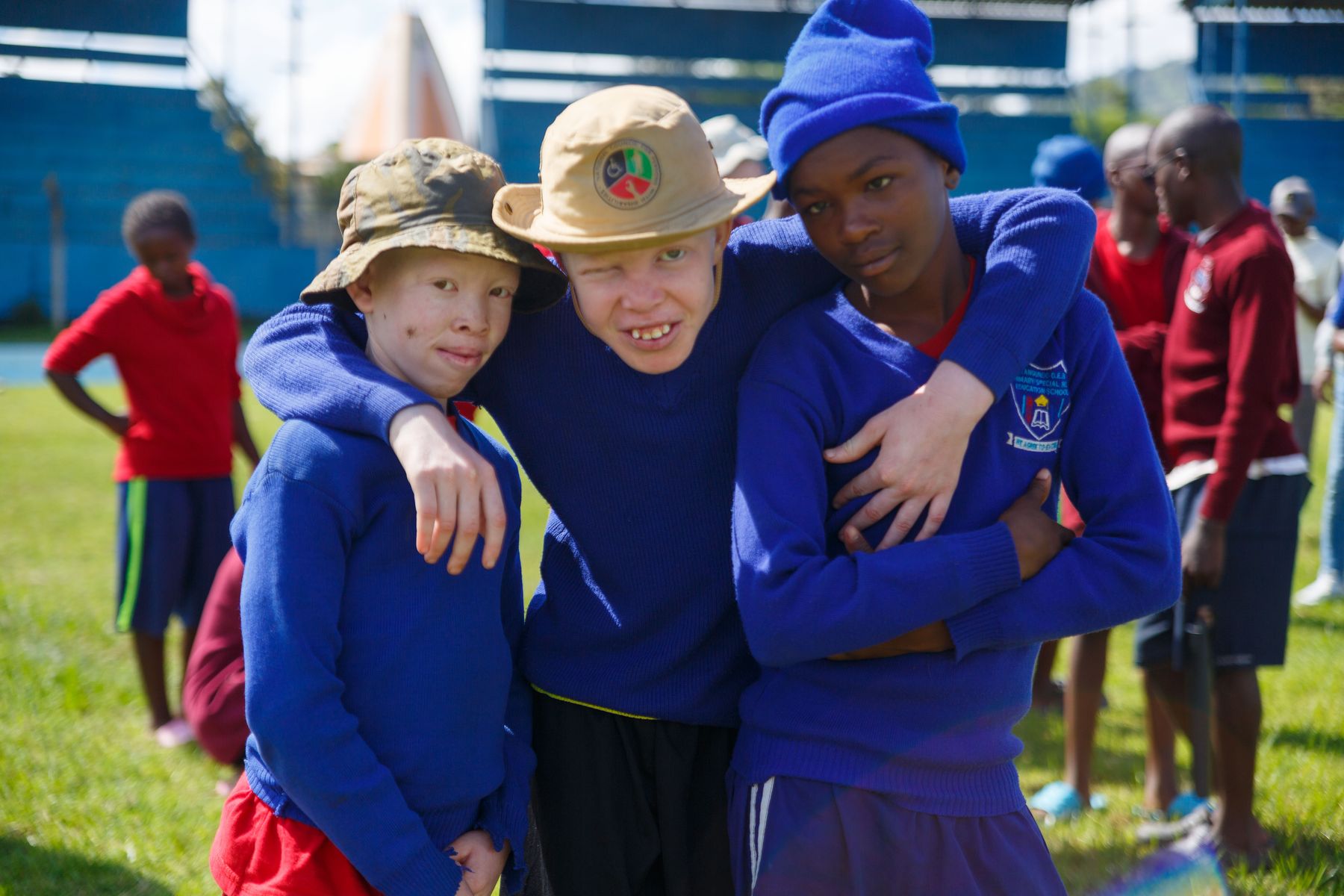
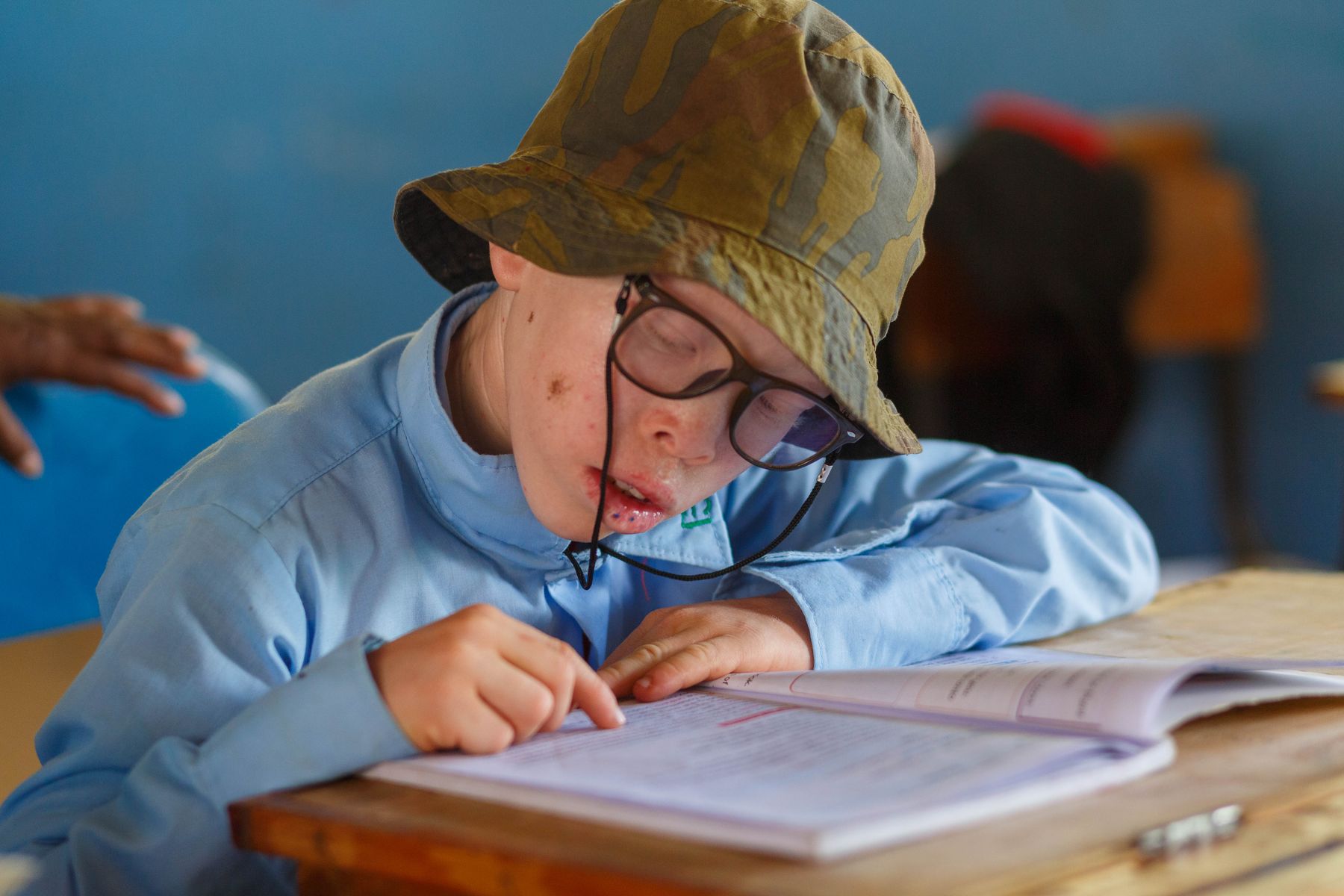
Albinism almost always comes with visual impairment: reduced acuity, light sensitivity, involuntary eye movement. None of that changes what a child can understand. What changes outcomes is whether the classroom adapts. Front-row seating away from glare, enlarged print, extra time, a teacher who knows why a learner squints at the board.
Read moreShow less
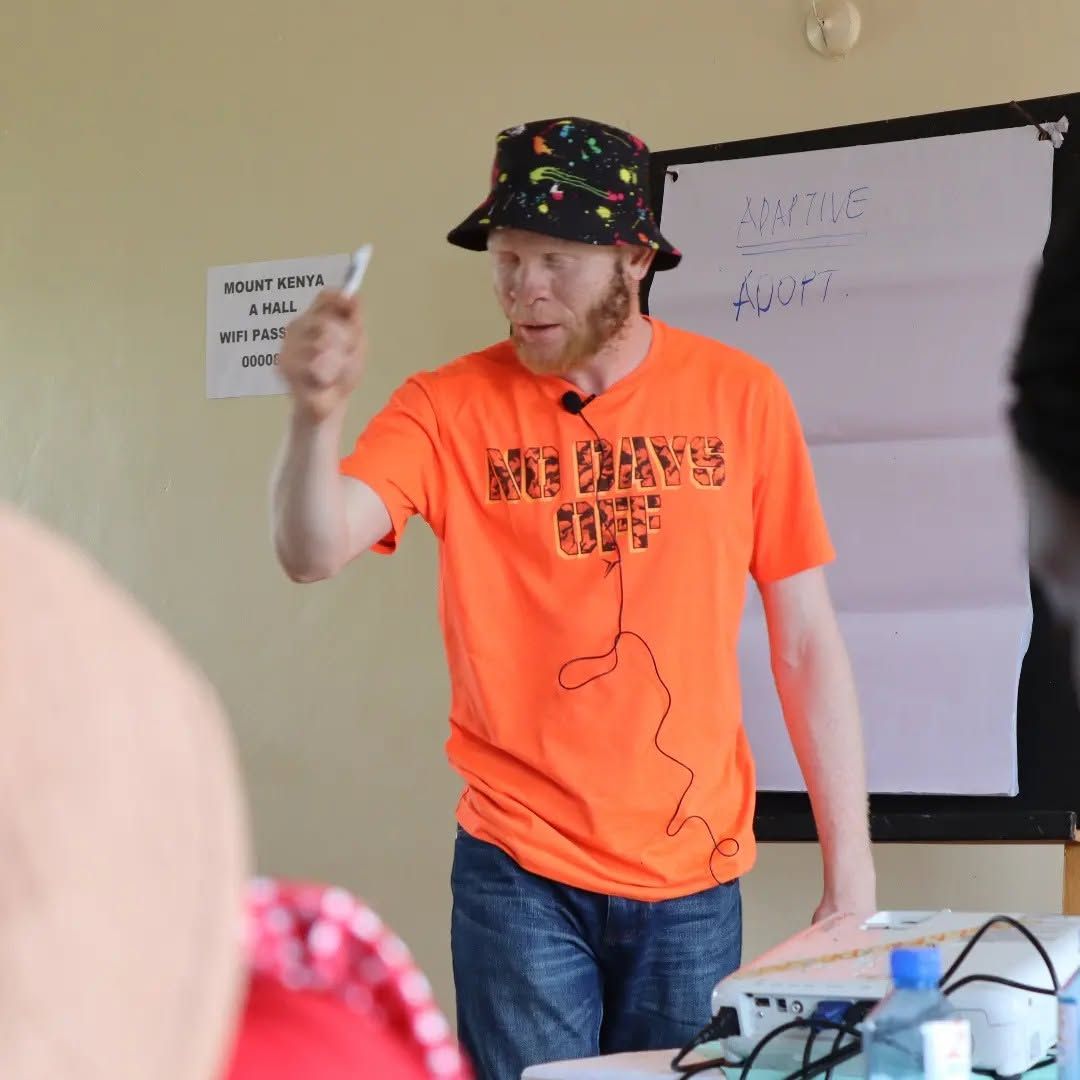
We work with learners, families and teachers on the practical adjustments that cost almost nothing and change everything, and we push for those adjustments to be standard rather than a favour that has to be asked for each new term.
Why this matters
A child who cannot see the board does not become a child who cannot learn. They become a child nobody adjusted for.
Learner support
Direct support to learners with albinism and their families on the adjustments they are entitled to ask for.
Teacher orientation
Short, practical sessions on low vision, photophobia and assessment adjustments.
Albinism-friendly schools
A published standard, a directory of schools that meet it, and a route for any school to work towards it.
Transition to work
Mentorship for students moving from school into training, further study or a first job.
Albinism-friendly schools
A standard schools apply for, not a favour they grant.
Most inclusion work asks a school to make an exception. This does the opposite. It publishes what good looks like, and lets a school earn the right to say it meets it.
Seating and light
Learners seated away from glare, close enough to read the board, and not moved without being asked.
Print and materials
Enlarged handouts as standard, high contrast, matte paper, and digital copies a learner can resize themselves.
Sun protection on site
Shade at break, a hat worn without comment, and somewhere to keep sunscreen.
Staff who were briefed
At least one trained member of staff, and adjustments that survive a change of teacher.
The two lists we are building
A parent asking where to send their child should not have to ask around. We are compiling two directories, and we will publish each one only when every entry has been checked with the school itself.
Special schools
Primary and secondary schools set up for learners with visual impairment, where children with albinism already study. Names, counties and what each school provides.
Coming soon
Mainstream schools
Ordinary schools that include children with albinism and meet the four points above. These are the ones that prove it can be done anywhere.
Coming soon
If your school belongs on either list, or you want help getting there, speak to us.
Initiatives in this track
Where this work lives
Take part
Support inclusive education
Fund it, partner on it, or bring it to your school, community or company.