Climate Justice & Health
A hotter, brighter world is not a neutral event for a person without melanin.
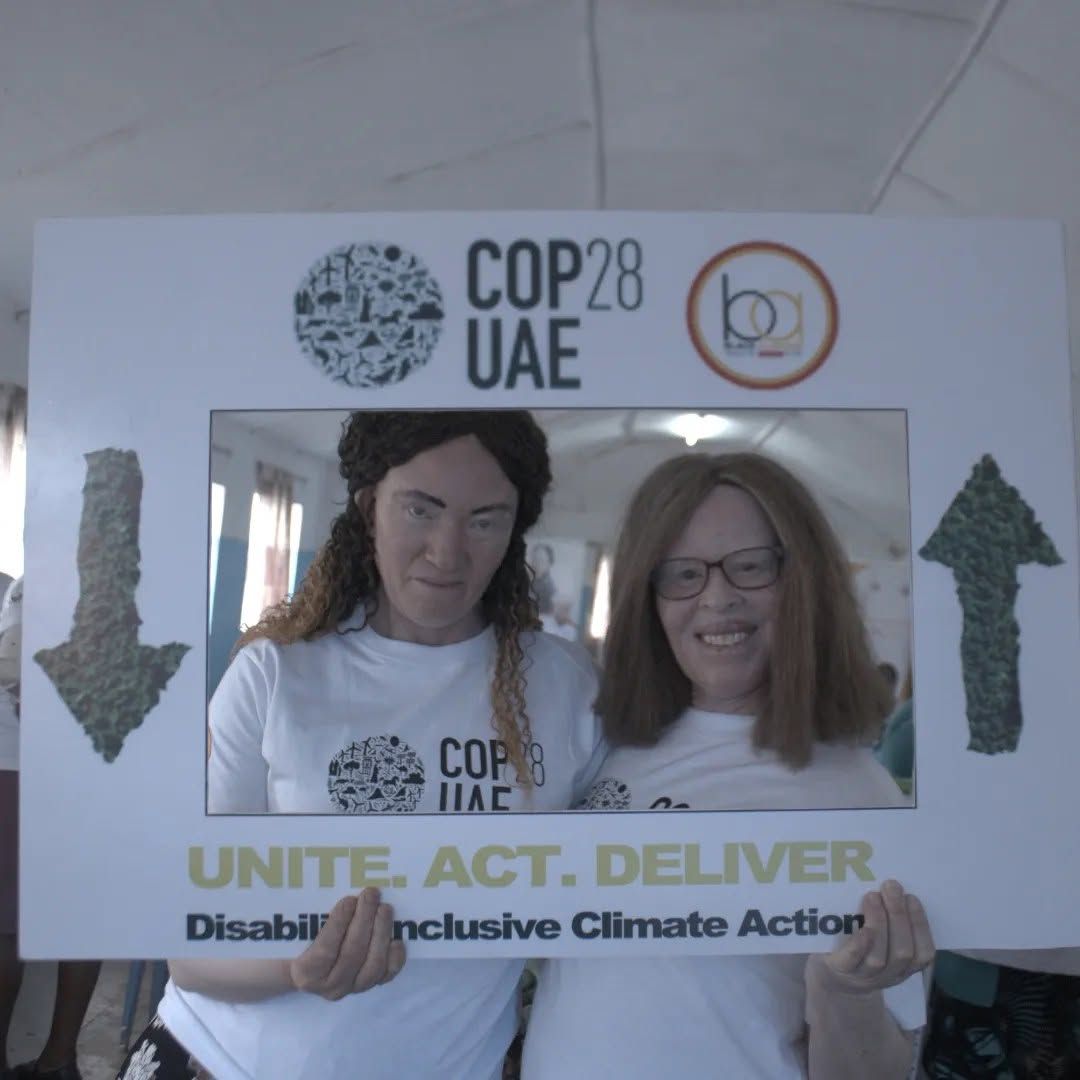
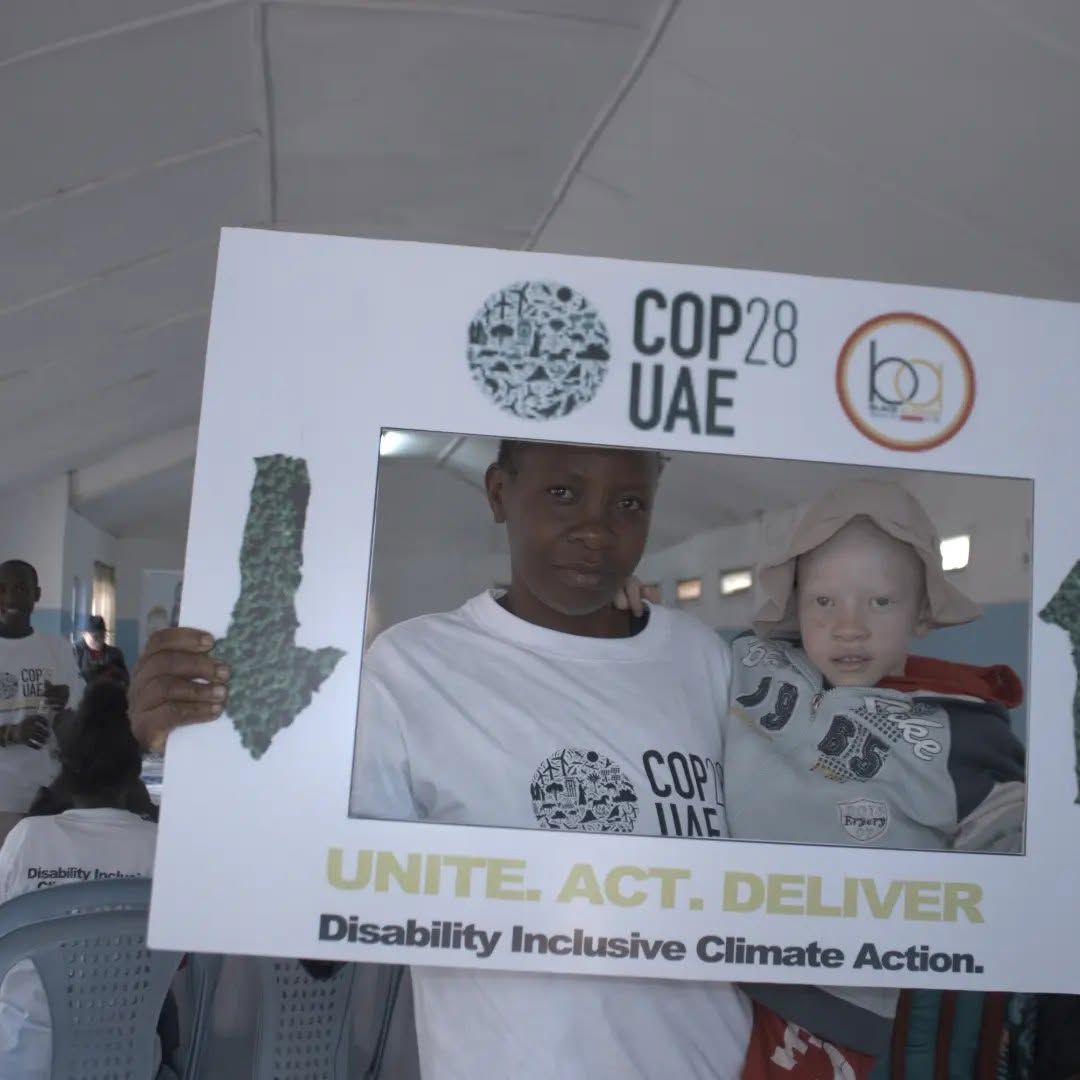
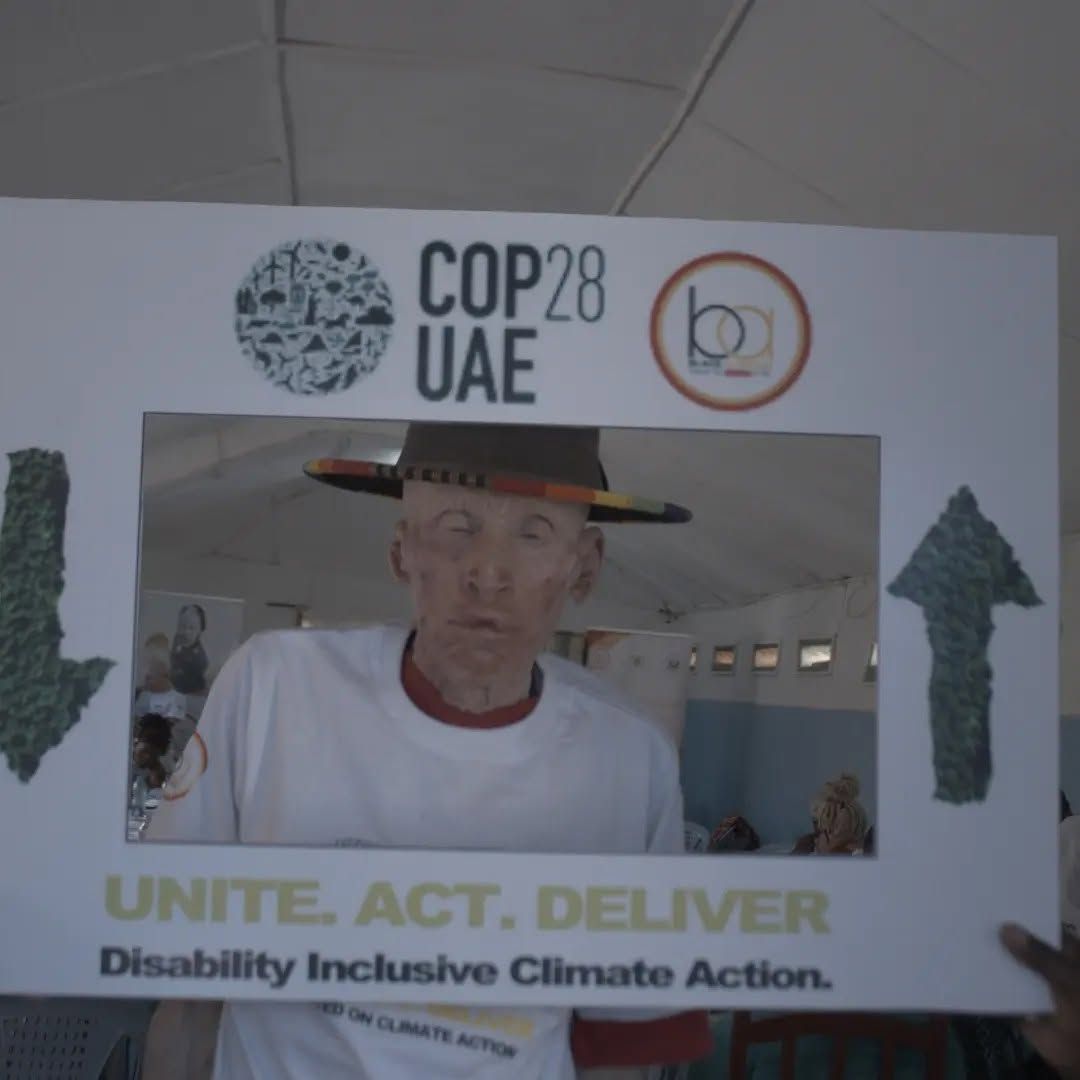
Climate change is a health emergency for persons with albinism, and it is almost never discussed that way.
Without melanin, skin has close to no natural defence against ultraviolet radiation. A hotter sun, longer dry seasons and more hours of outdoor work translate directly into skin damage, and without protection and early screening, into skin cancer.
Read moreShow less
Near the equator, where the largest populations of persons with albinism live, the dose is highest all year round.
The UN Independent Expert on the enjoyment of human rights by persons with albinism has reported to the General Assembly specifically on climate change and persons with albinism. We work on the local end of that: getting protection, screening and information to people before harm is done, and getting albinism named in climate and health planning.
Our documentary on what a hotter sun means for persons with albinism, and what has to change.
Why this is urgent
A hotter sun is not an abstraction for skin with no defence against it. It is a diagnosis moved forward by years.
Sun protection access
High-SPF sunscreen and UV-protective wear reaching people consistently, not occasionally.
Screening pathways
Connecting people to dermatology and to early skin-cancer screening and treatment.
Public information
Plain-language guidance on UV, skin and eye care that travels further than a clinic leaflet.
Climate advocacy
Naming albinism in climate adaptation and public health conversations where it is currently absent.
Now running in Garissa County
From Womb to Community
Acceptance has to start before the child is born.
Most albinism work begins after the damage: after a child has been hidden, after a family has been told something frightening, after a name has gone unregistered for years. This project starts at the one place where every family passes through anyway, the antenatal ward, and works forward from there into the community the child will grow up in.
It is the stage albinism programming in Kenya has not systematically reached. A mother who meets accurate information before she delivers, and a midwife who knows what to say in the first minute, change what the next twenty years look like.
Read moreShow less
Four pillars, one chain. Information where expectant mothers already are. Training for the midwives, nurses and community health workers who meet the child first. Sport and open dialogue that bring men and traditional leaders into the conversation rather than around it. And registration, so that people who were invisible to the state become visible to it, with the birth certificates, bursaries and health services that visibility unlocks.
Women are the centre of it rather than the audience for it. Pregnant women, mothers and female caregivers are the people the first two pillars are built around, because they are the ones in the room when it matters.
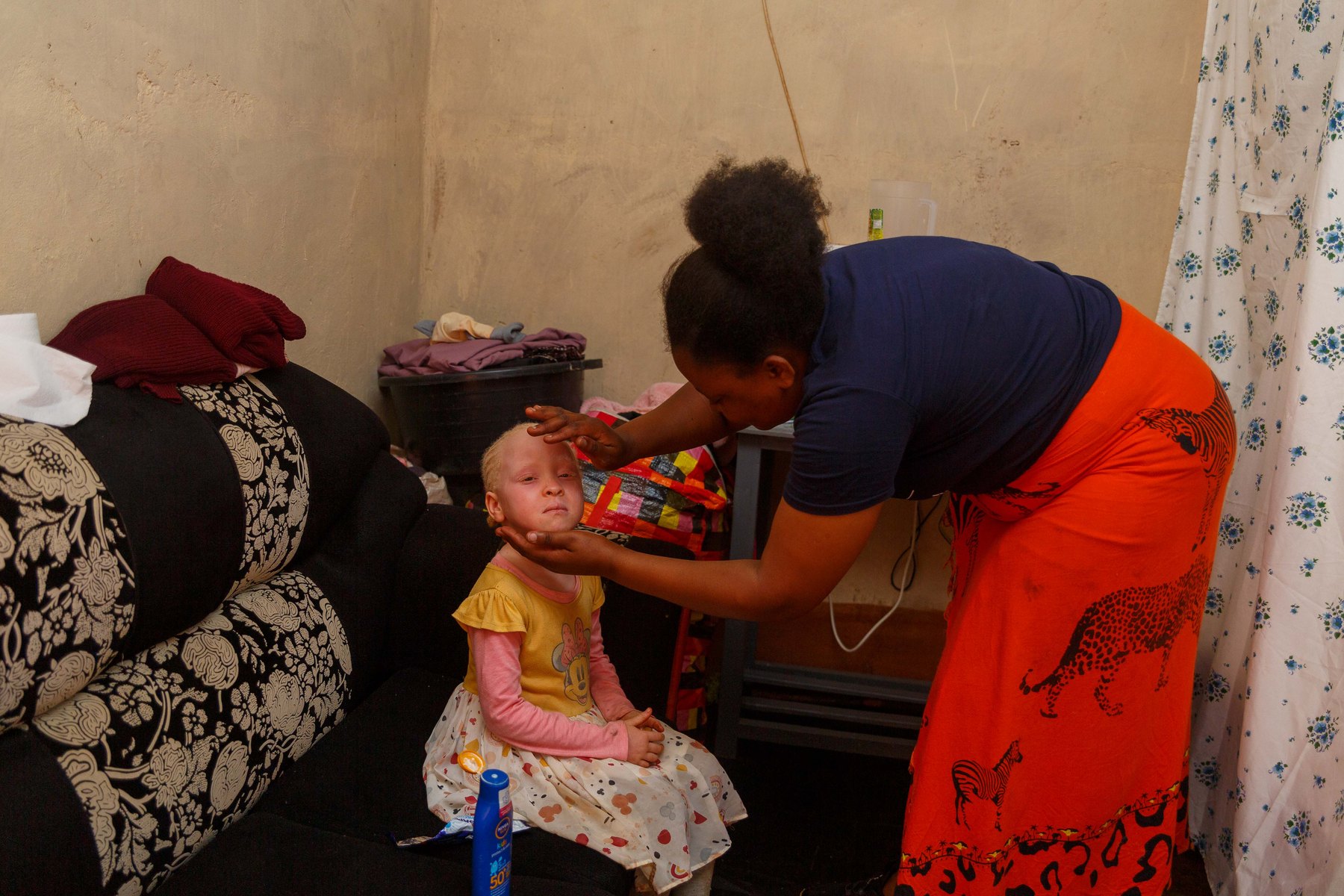
What it sets out to do
Every figure below is a target the project is working towards, not a result it has already reported. They are published here so they can be held against what actually happens.
In the antenatal ward
Accurate albinism information installed in antenatal wards across five or more health facilities, reaching at least 500 pregnant women and caregivers a year before they deliver.
With the people who deliver
Two training cohorts for midwives, nurses and community health workers, at least 60 people, on how to talk about albinism at birth and where to refer a family next.
In the community
Six inclusive sports events and six community dialogues, reaching at least 800 people including men and traditional leaders, with local champions trained to carry it on.
On the radio
A sustained campaign on community radio and social media across Northern Kenya, so the argument reaches well beyond the places the project physically visits.
On the register
At least 30 persons with albinism identified, registered with the NCPWD and linked to a government service, with birth certificates obtained for children who never had one.
And then it travels
Garissa is the first county, not the only one. The point of building it this way is that another county can run it without us.
From Womb to Community is run by Black Albinism with the Fondation Pierre Fabre. It is also why the 2027 festival goes to Garissa: the celebration follows the work.
Take part
Support climate justice & health
Fund it, partner on it, or bring it to your school, community or company.