Digital Inclusion
Every phone already has the tools. Almost nobody has been shown them. And the models being built right now have barely seen us at all.
Two problems live here. Getting people onto the technology, and getting the technology to recognise people.
The first is training. Magnification, high contrast, screen readers, text scaling, dictation. Every phone and laptop already ships with them, switched off and buried, so a learner with low vision struggles for years with a device that could have been adapted in four minutes. We teach those settings first.
Read moreShow less
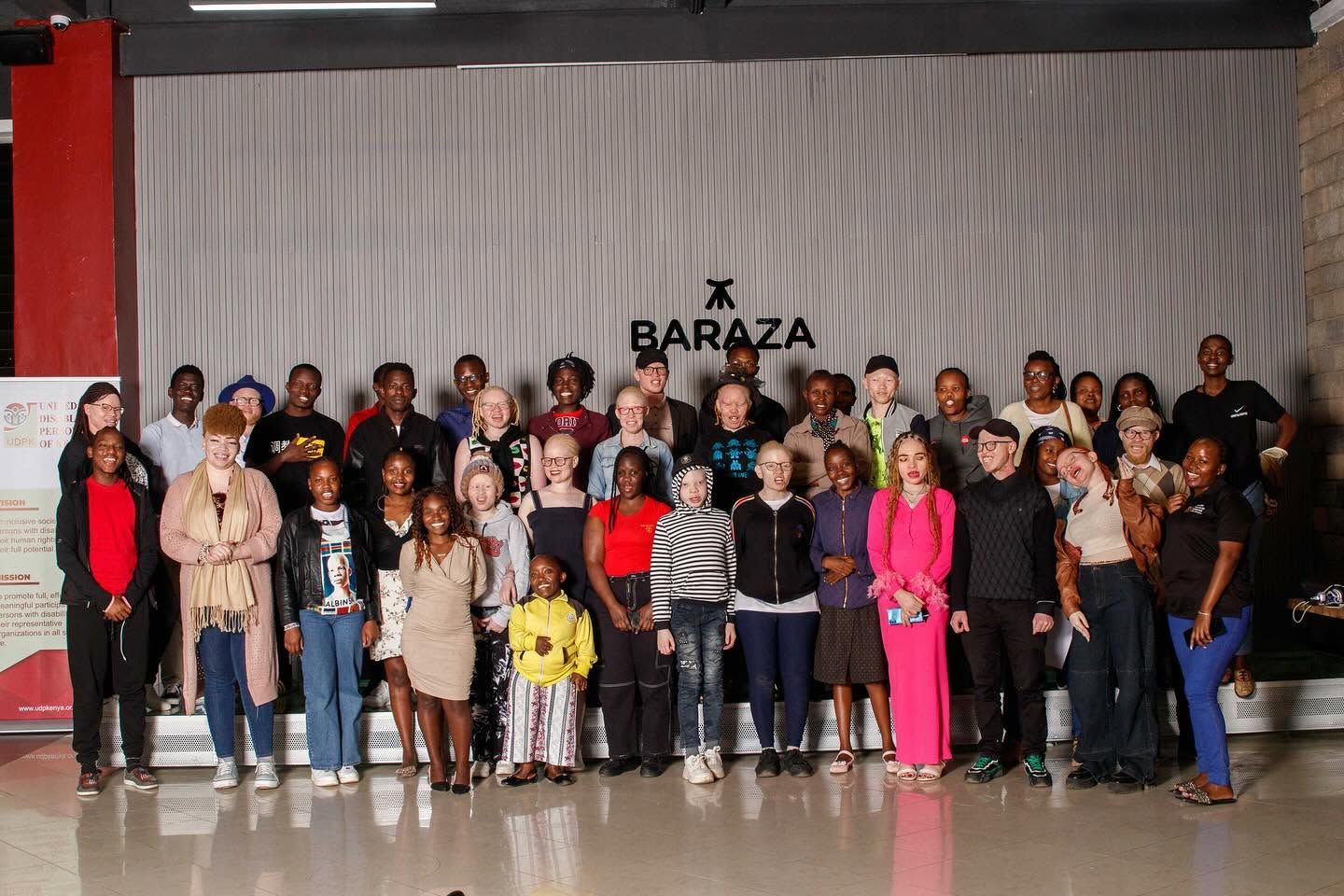
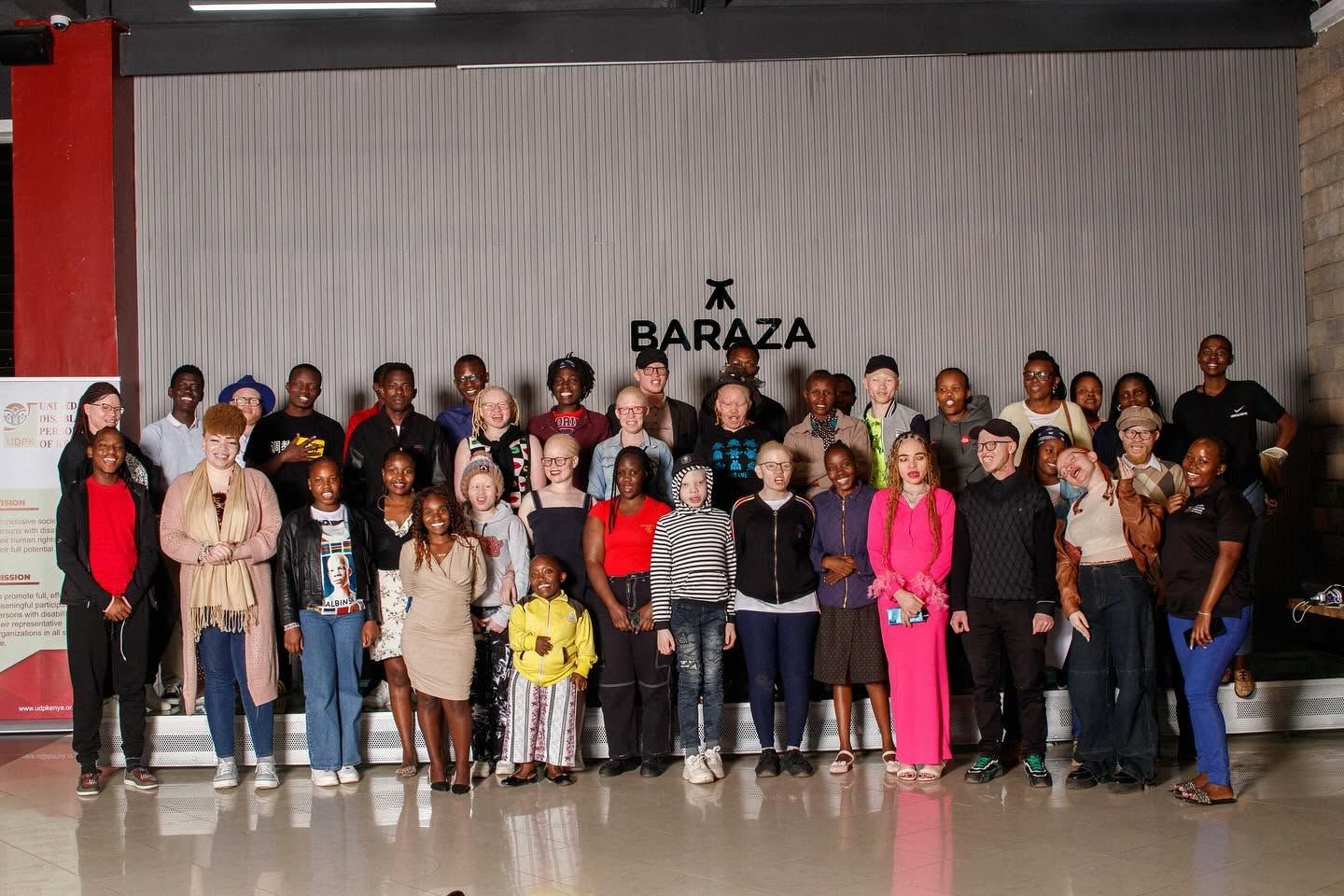
The second is representation. A model learns what a person looks like from the images it is trained on, and we are close to absent from those images. Ask most systems for a picture of a person with albinism and you get something medicalised, or something that looks like a ghost. That is fixable at the source, which is why we built the AI Community Library.
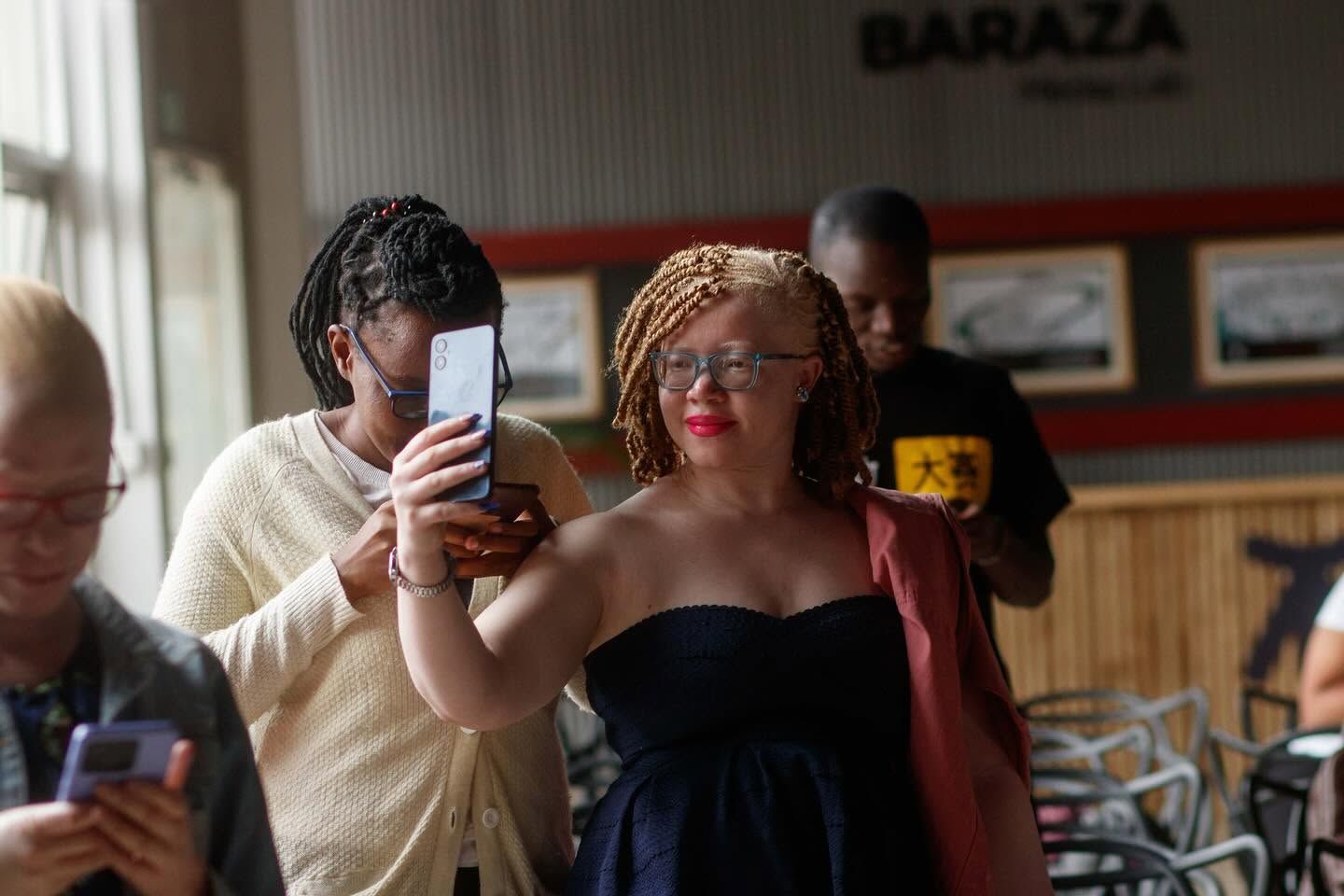
DJ Smollet, doing the thing he is good at, watched by more people than every awareness campaign we have ever run put together. This is what the training data is missing.
Why this is not optional
Everything is moving onto a screen: the bank, the form, the job, the classroom. A screen nobody has shown you how to read is a door closing quietly.
Assistive settings training
Turning on and tuning the accessibility features already built into devices.
Core digital skills
From basic device use to online services, applications and remote work.
Representation in AI
An open, consent-based image library so models can learn what albinism actually looks like.
Online protection
Persons with albinism take a particular kind of abuse online: the staring, the myths, and pictures taken and shared without anyone asking. We teach how to lock an account down, how to report, and how to keep a record that holds up.
Inside this track
The AI Community Library
Search for an image of a person with albinism and you will mostly find a medical diagram, a warning, or nothing. Models trained on that absence get us wrong, and then that wrongness gets built into products.
So we are building the other thing: an open image library of persons with albinism, contributed with consent, for anyone training a model that should recognise us properly. It is published as an open dataset and it is free to use.
Initiatives in this track
Where this work lives
AI Community Library
Built with Microsoft. An image library of persons with albinism that AI builders can train on, so the models finally get us right.
Open InitiativeUVSafe access points
Web, app and USSD, so information reaches people without smartphones. See the roadmap for current status.
OpenTake part
Support digital inclusion
Fund it, partner on it, or bring it to your school, community or company.